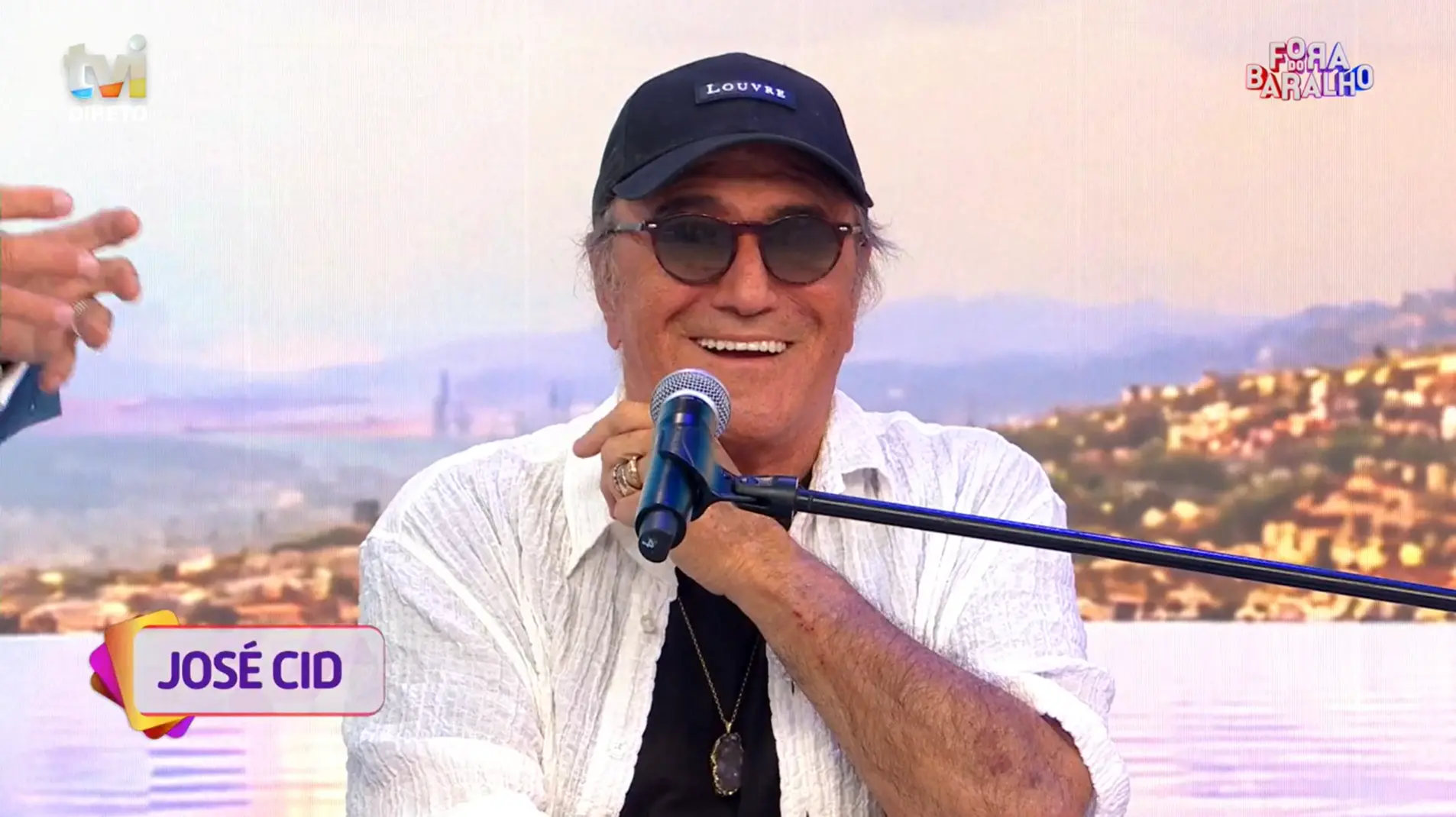
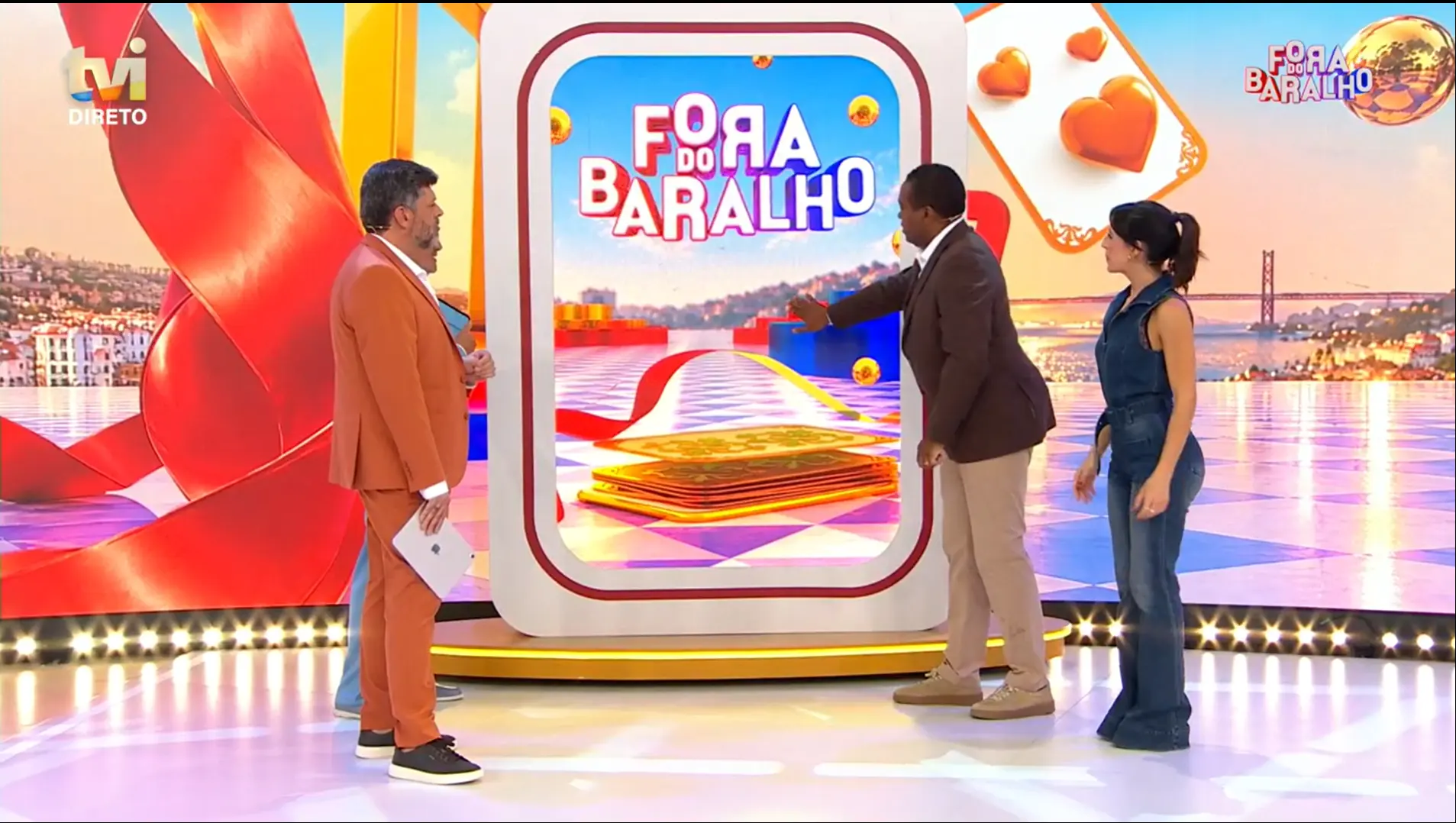
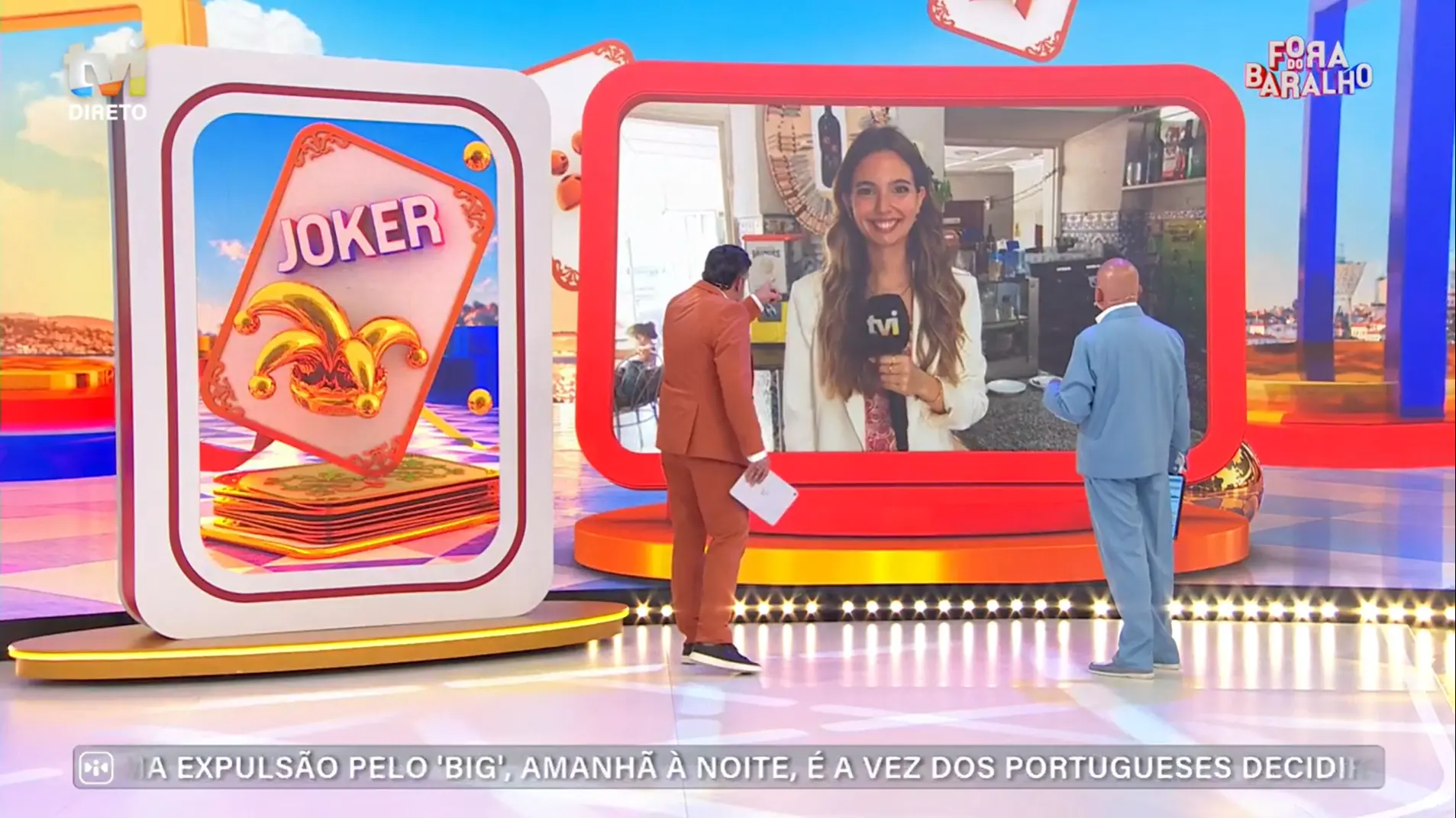
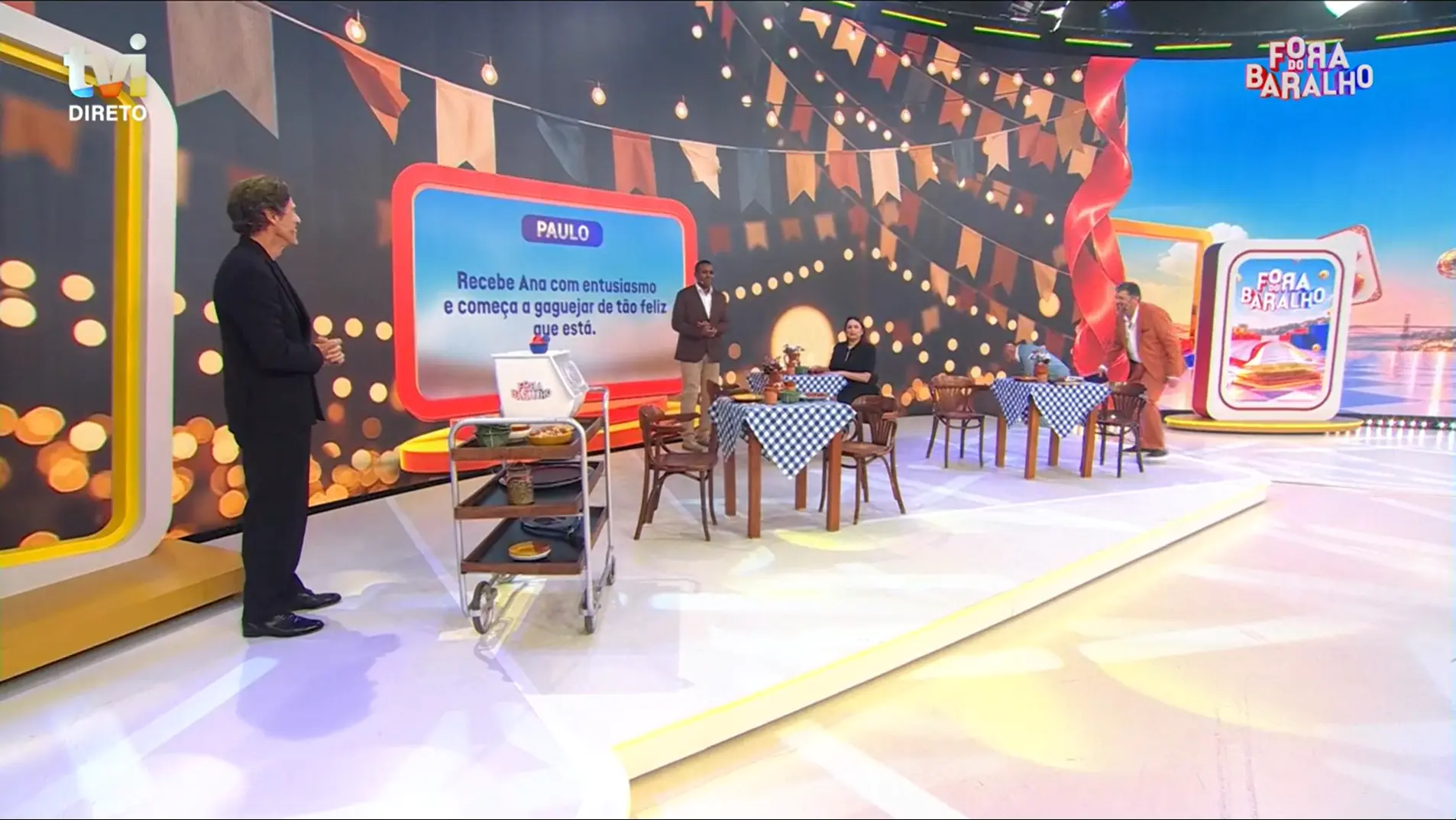
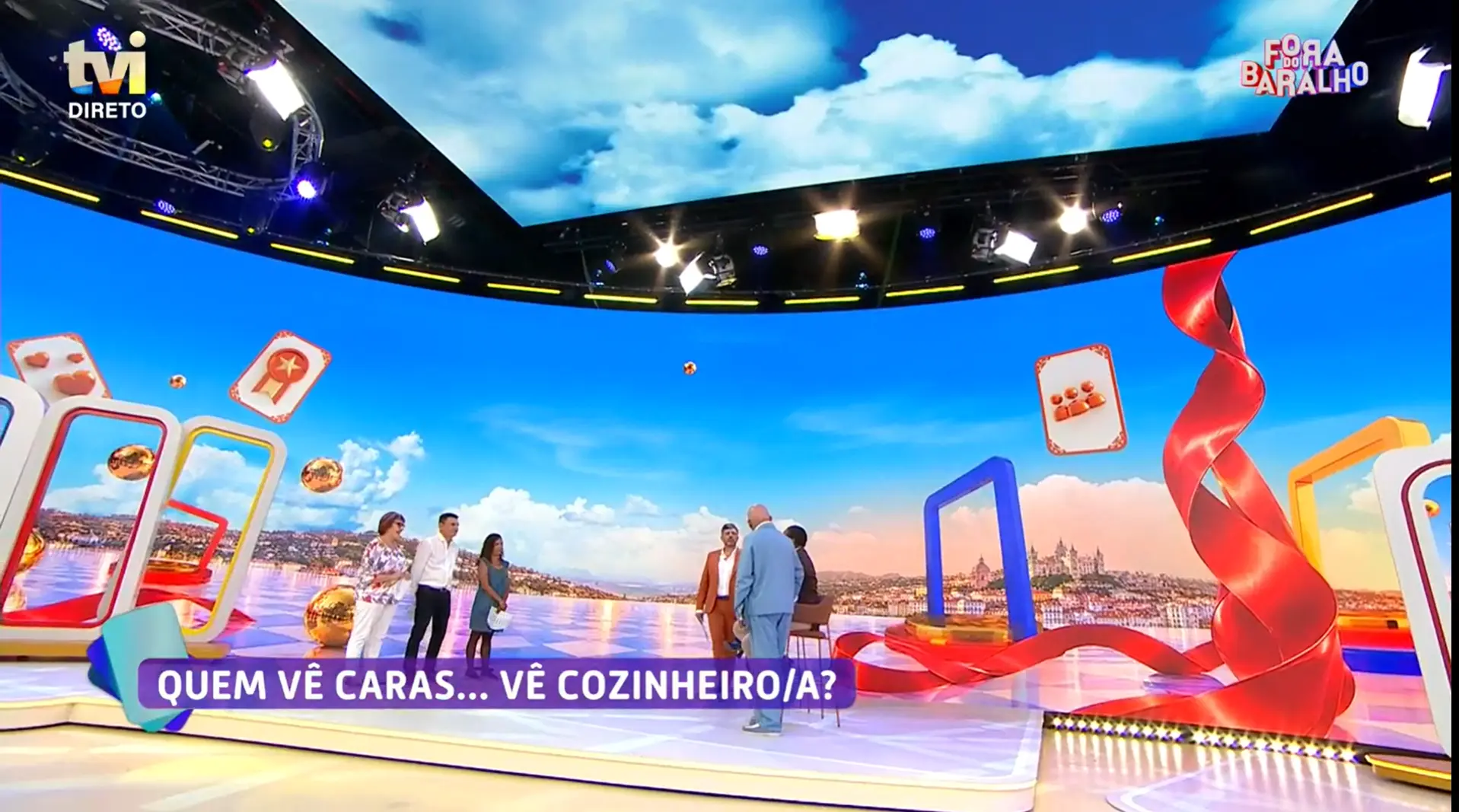
On-air graphics and an interactive studio LED wall come together through Studio CG, with wTVision handling implementation and live operation.
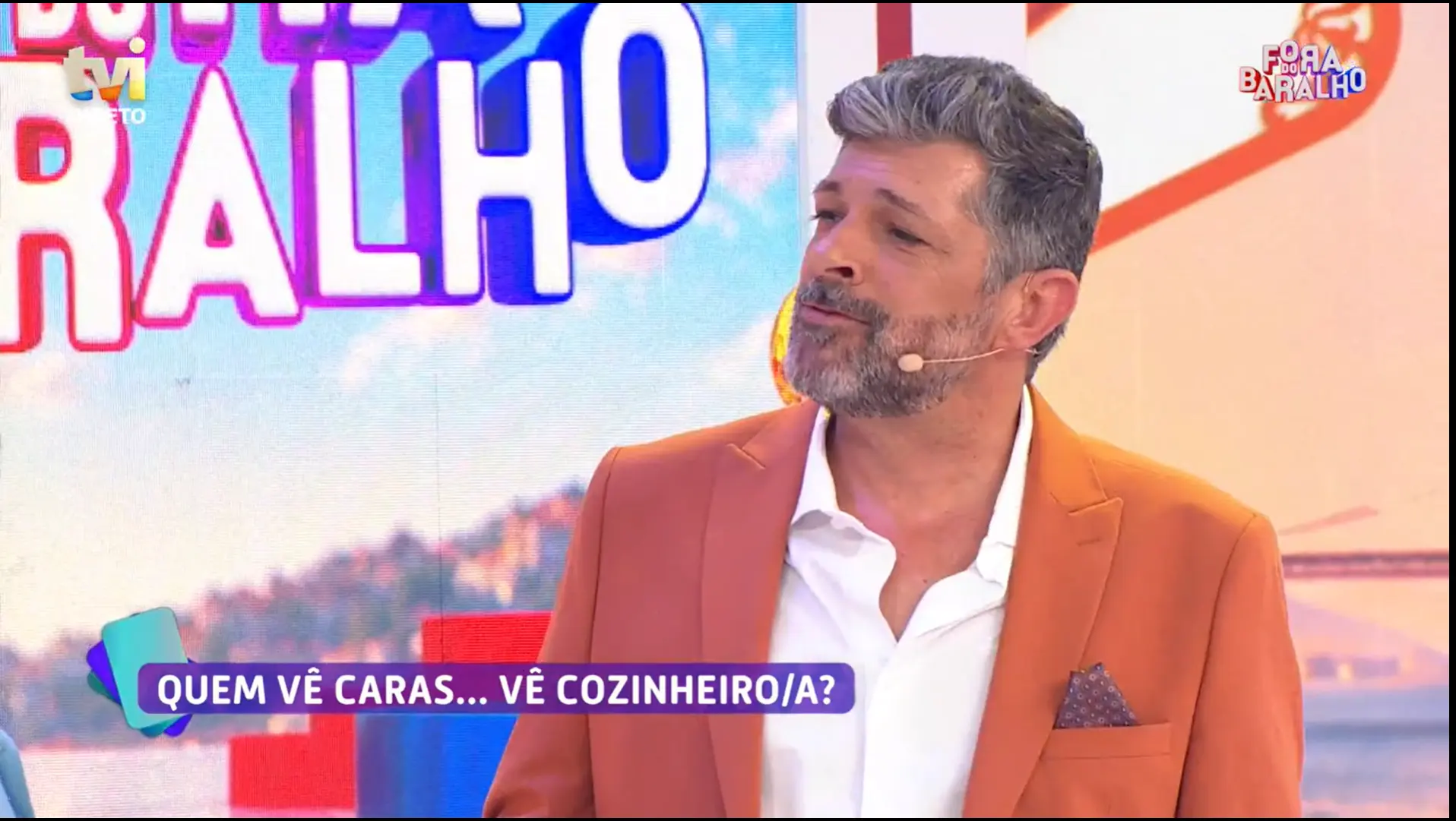
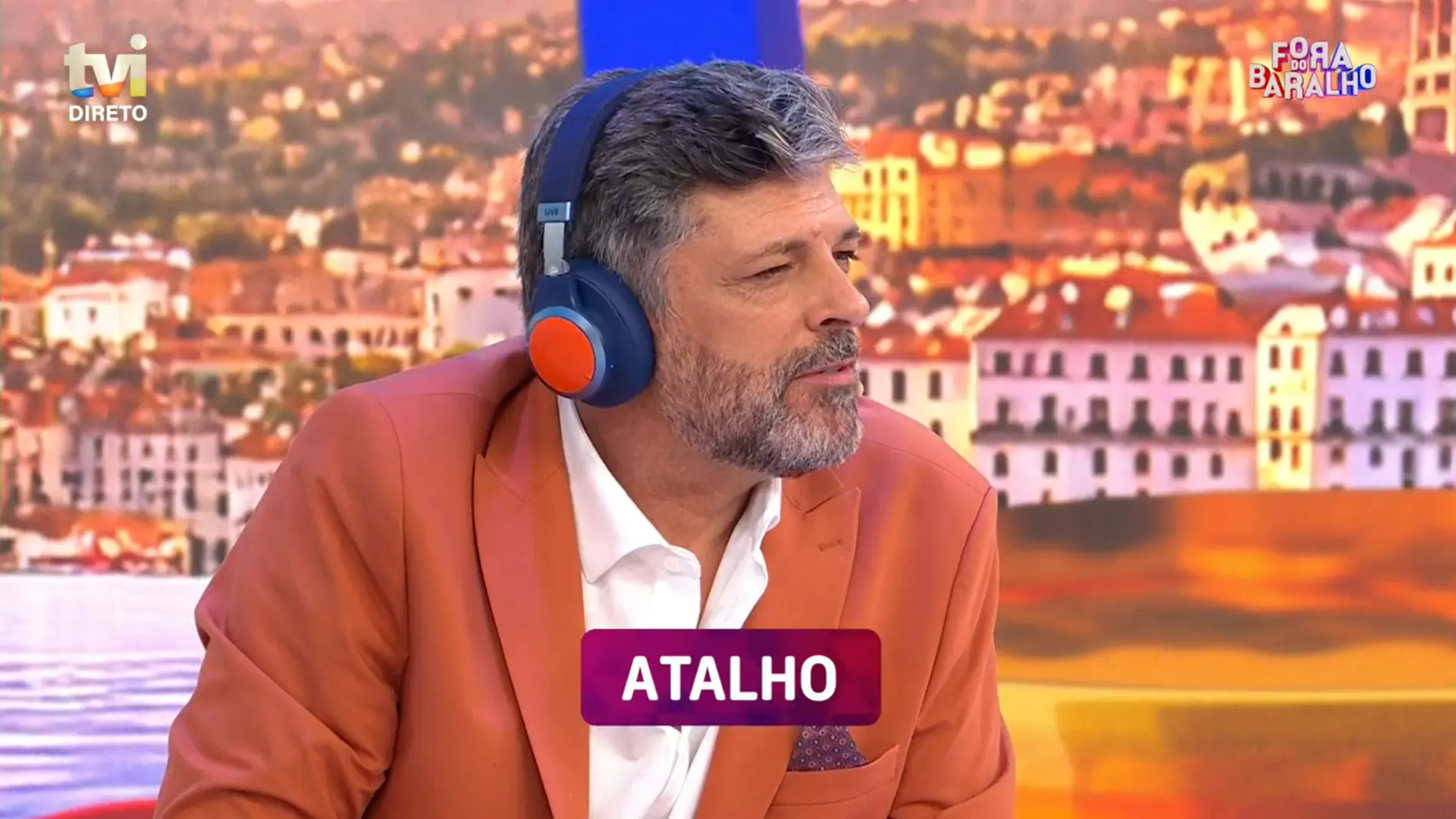
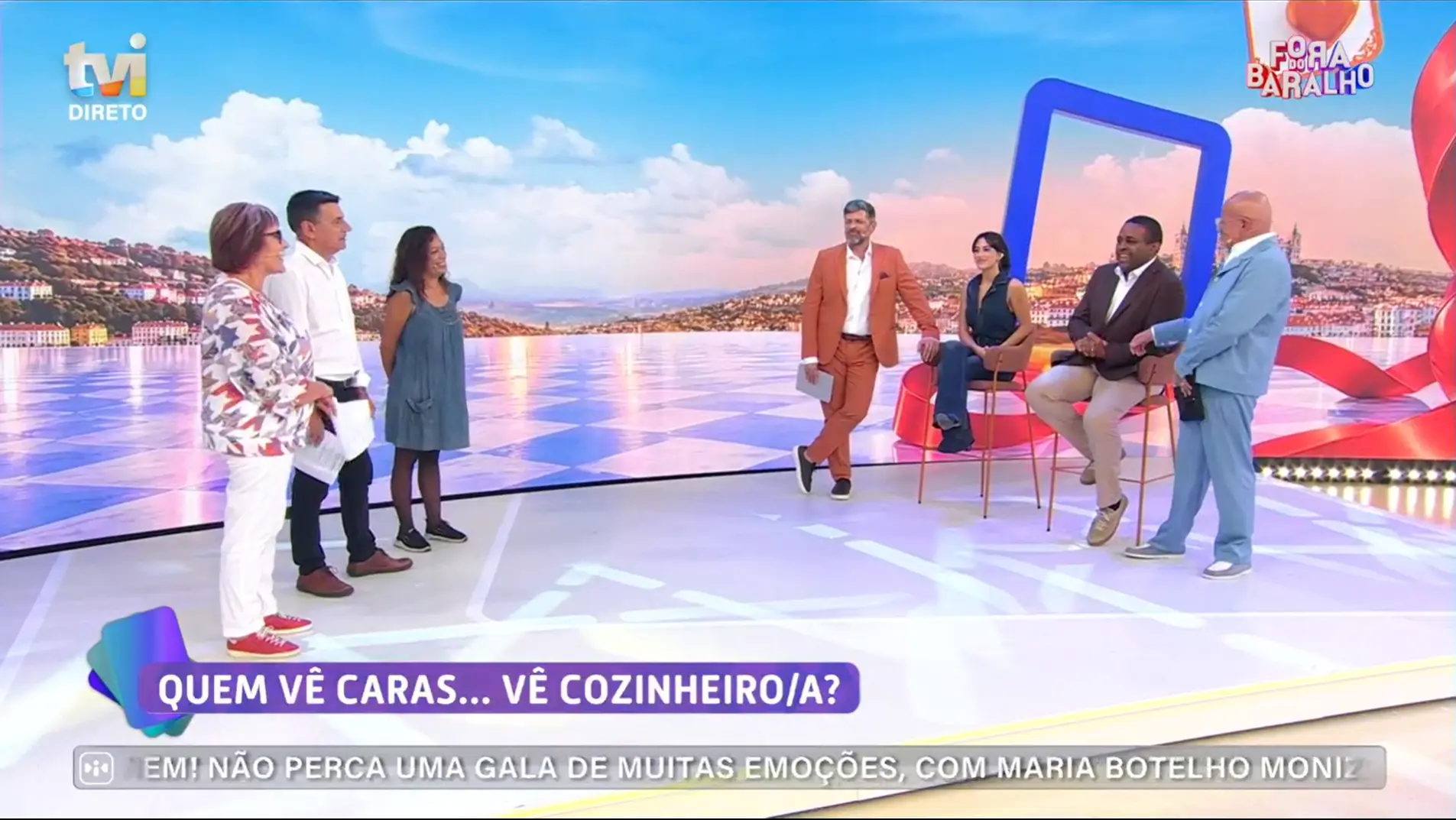
In live entertainment, graphics do more than identify who is on screen. They can set a game in motion, frame a challenge and become part of the action in the studio. On Fora do Baralho, TVI’s Saturday afternoon entertainment show, that role extends across six hours of live television, with wTVision operating the on-air graphics and the content for a dedicated quiz window on the studio LED wall.
Combining music, celebrity guests, games and interactive segments, the Portuguese show brings different production demands into a single afternoon. The on-screen graphics reflect that variety, reinforcing the program’s visual identity and supporting its games and activities.
From visual identity to live operation
TVI designed and supplied the complete graphics package, with EMAV responsible for the show’s technical production. wTVision implemented that package in R³ Designer, preparing it for operation with Studio CG and R³ Engine.
This collaboration brings together TVI’s creative work, EMAV's production expertise and wTVision’s graphics technology and operational expertise. Beyond implementation, the team runs the on-air graphics and the game and quiz content displayed within the LED wall’s dedicated window throughout the six-hour broadcast, bringing continuity from preparation to live execution.
Two graphics outputs, one point of control
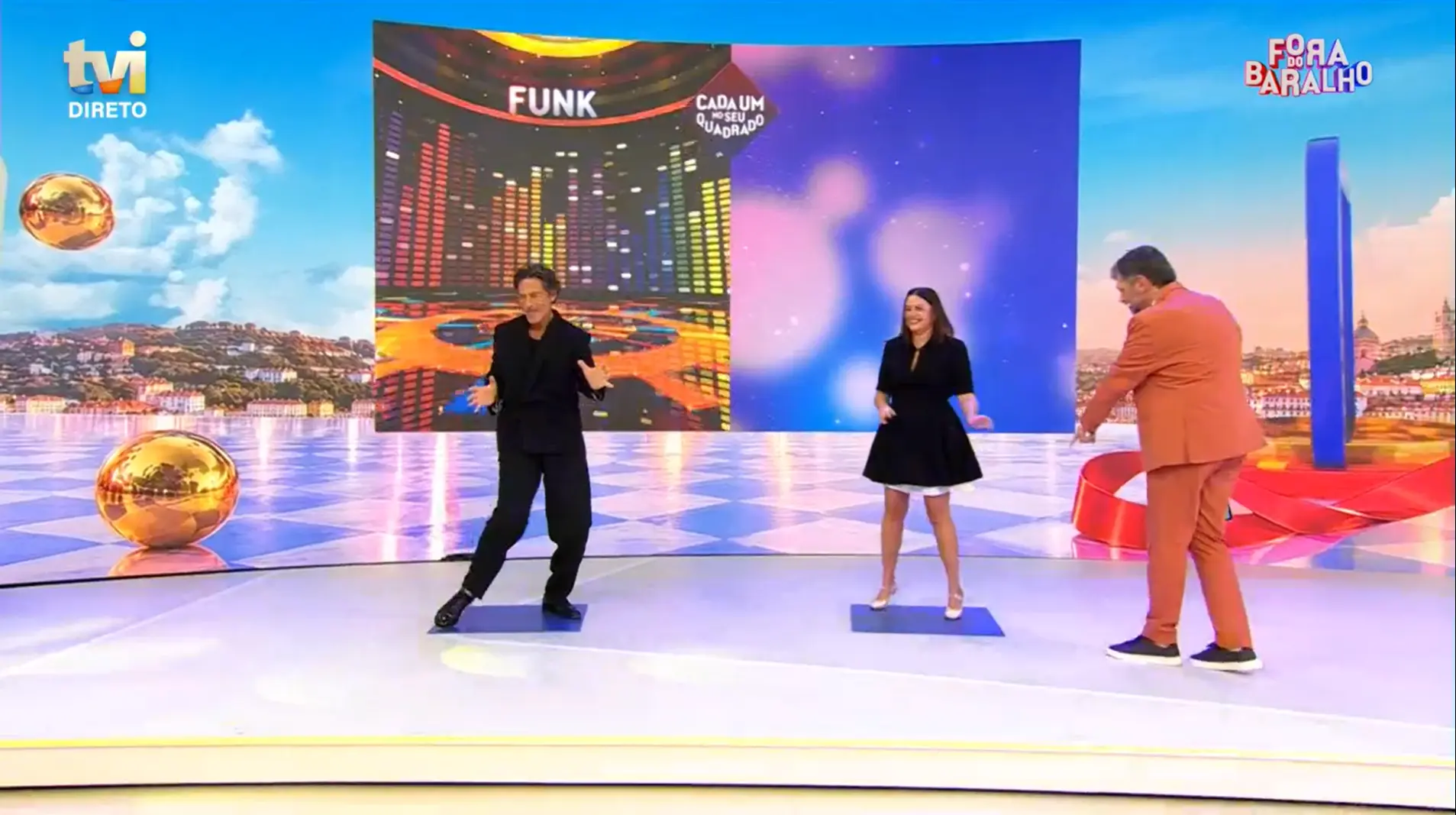
Studio CG sits at the center of the setup, controlling the R³ Engine used for the program’s on-air graphics alongside a second R³ Engine dedicated to the game and interactive content displayed within a designated window on the LED wall. Both outputs are managed through the same control application, with separate engines serving their respective roles.
While the on-air graphics support the presentation of the broadcast, the LED wall is an active element of the entertainment format. It provides the visual setting for games, contests and interactive segments, placing graphics within the studio activities themselves.
Centralizing control in Studio CG allows the team to manage these complementary requirements within one workflow. Across a program that moves between performances, guests and games, this setup supports both the graphics seen by viewers at home and the content that helps shape the action on set.
Fora do Baralho demonstrates how graphics technology and dedicated operation contribute to the production of live entertainment. By connecting the broadcast presentation with the studio experience, wTVision helps bring the show’s visual identity and interactive format to life throughout an afternoon on air.