A complete new graphics project in R³ Engine and FootballCG delivered a broadcast-ready retro visual identity — blending historical aesthetics with the live production demands of modern football coverage.
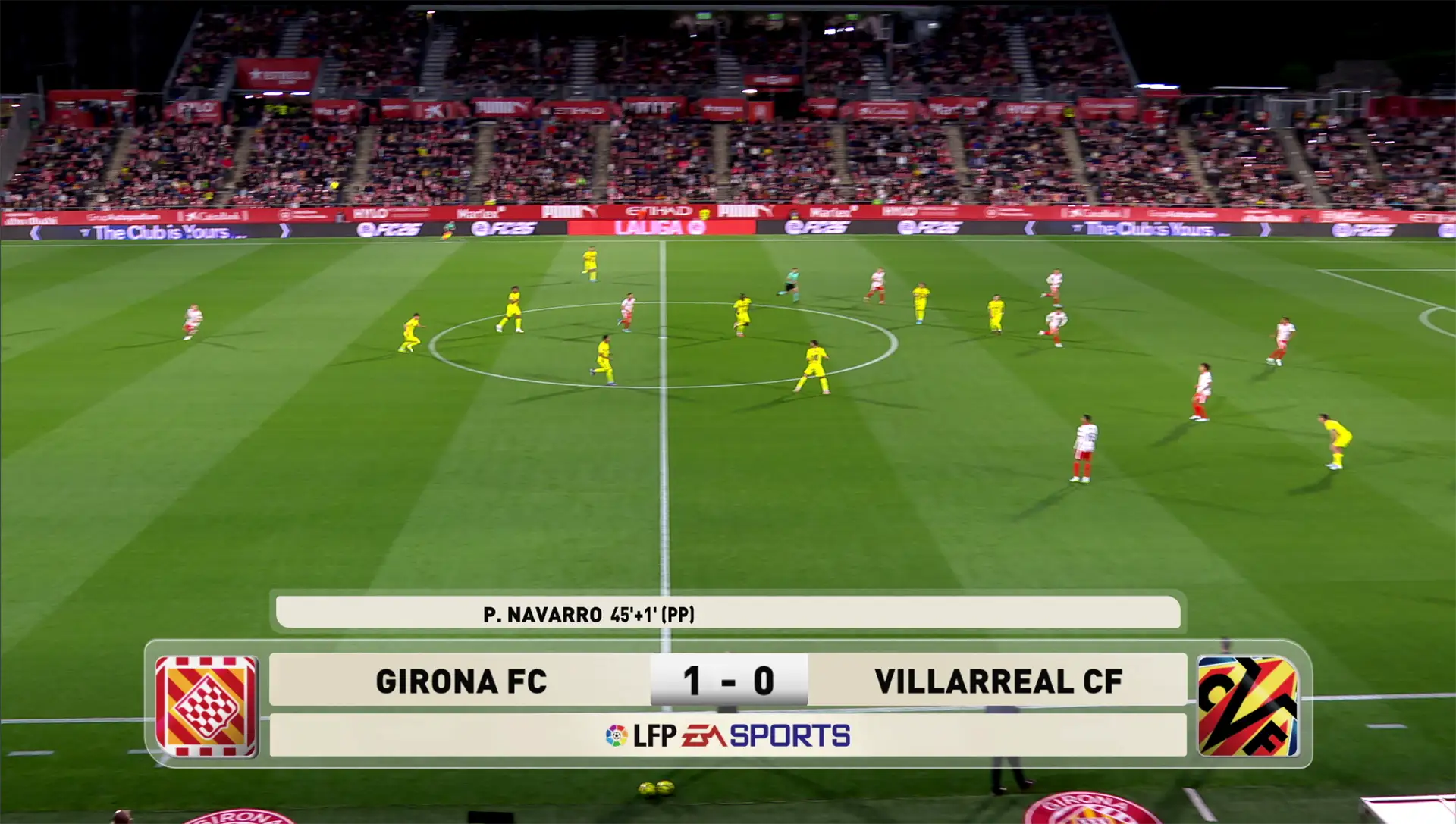
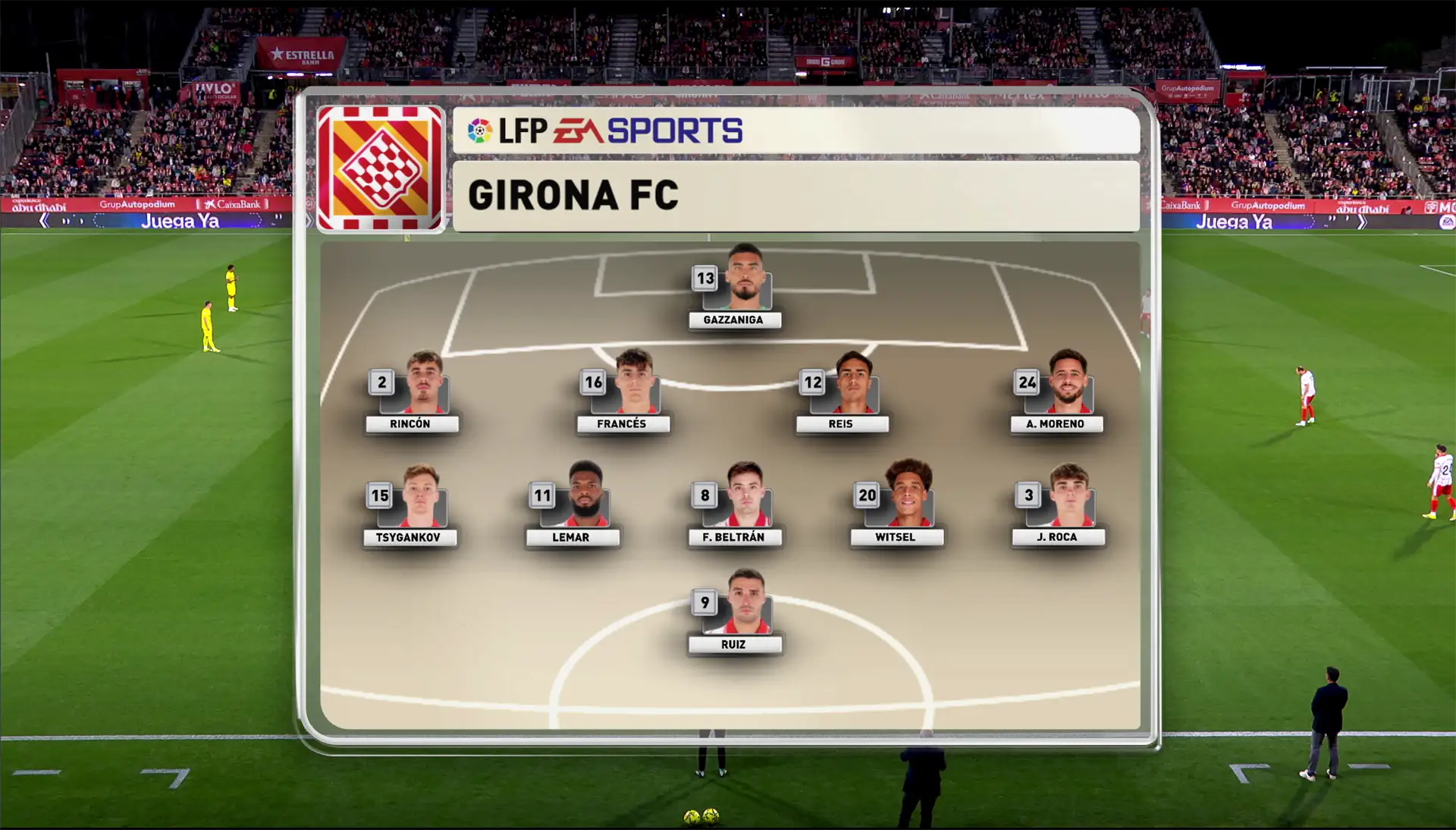
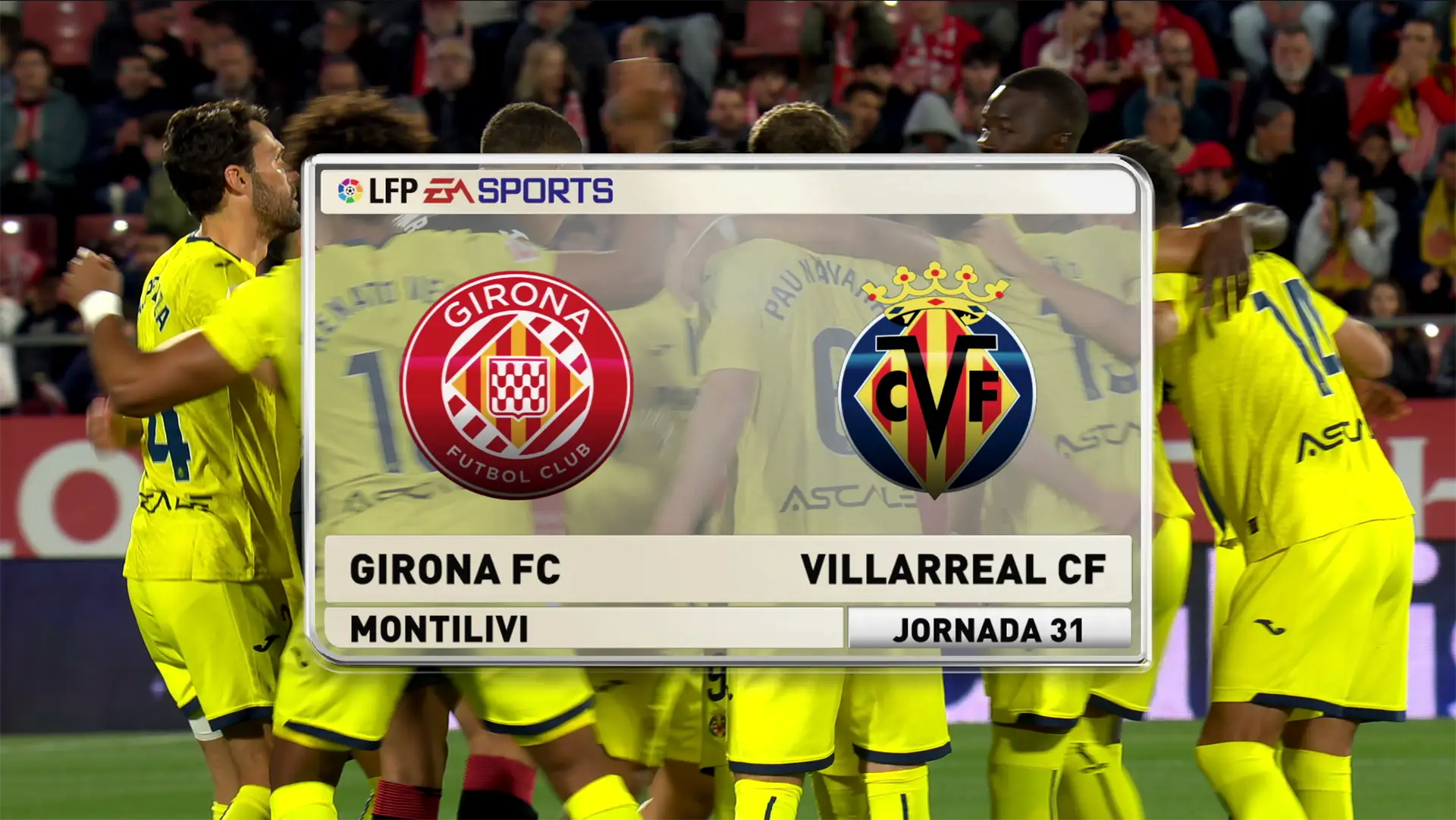
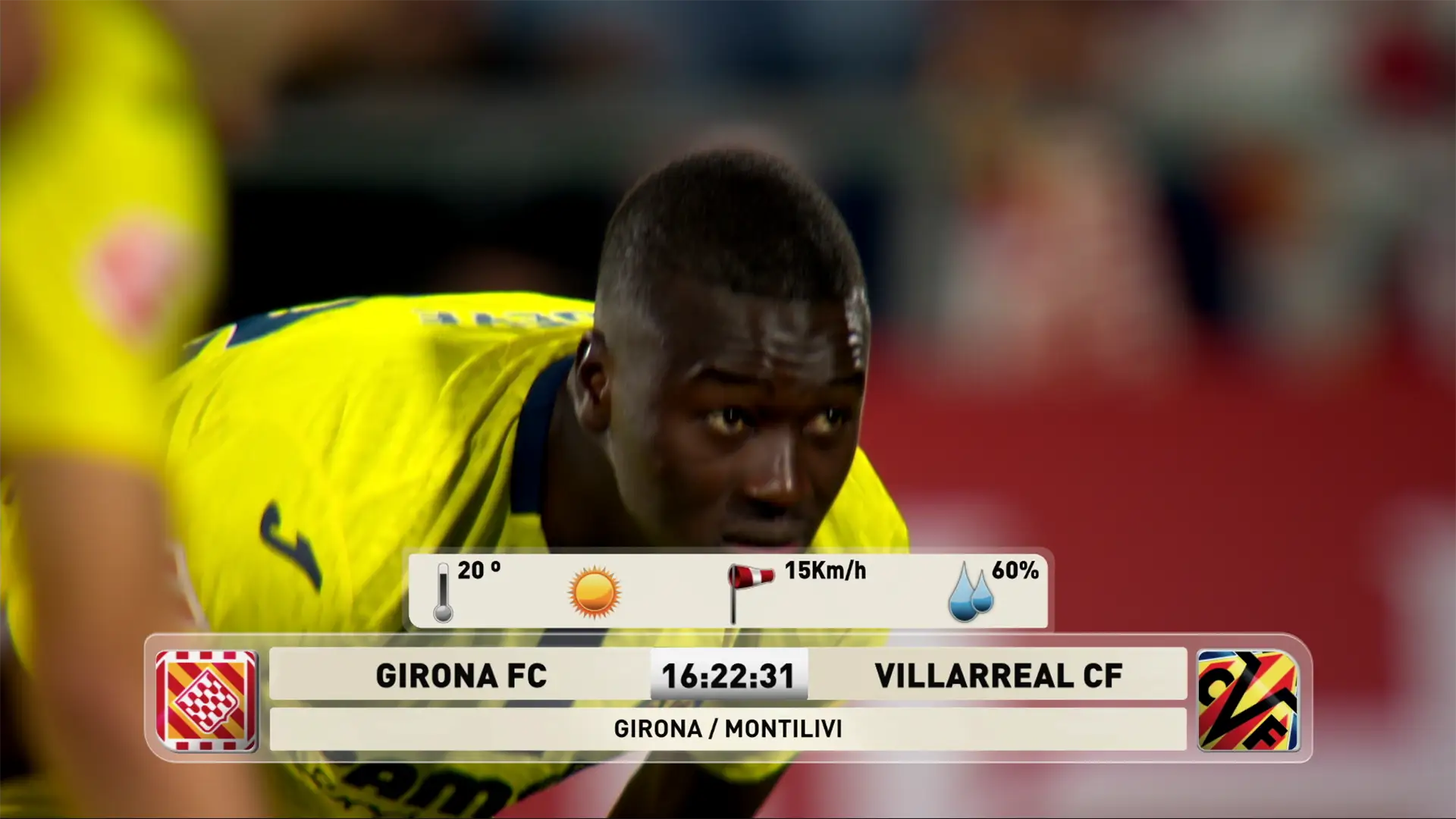
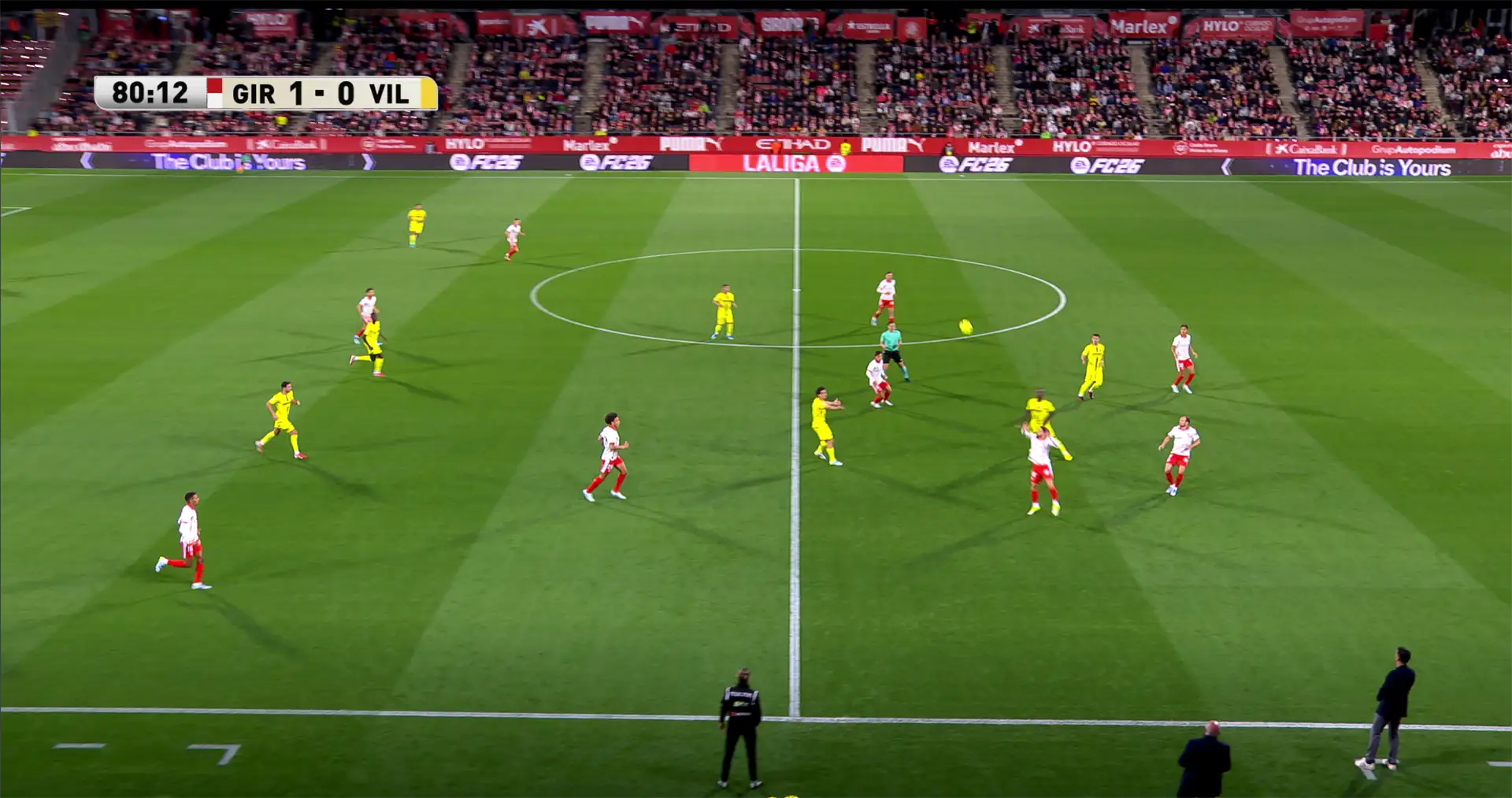
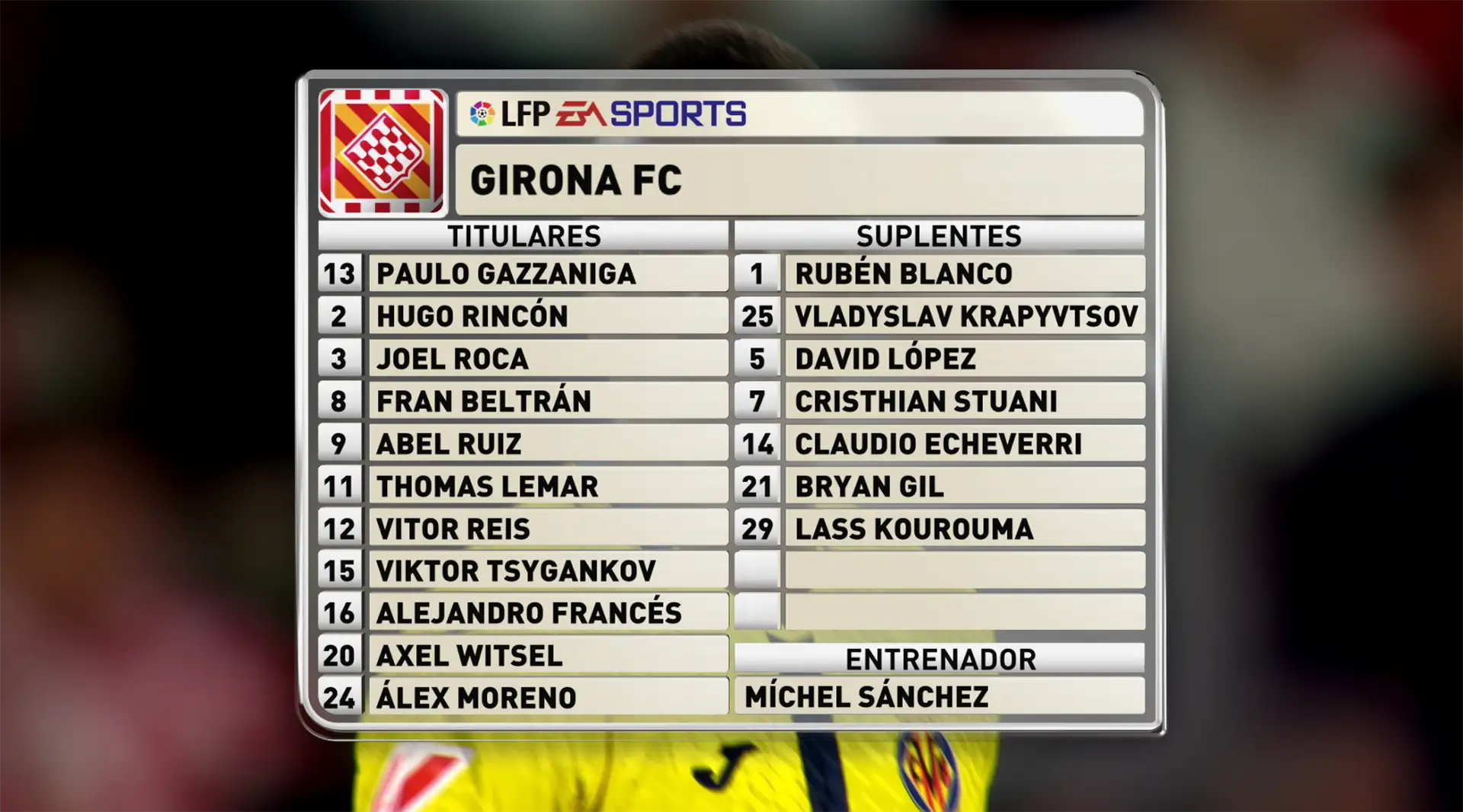
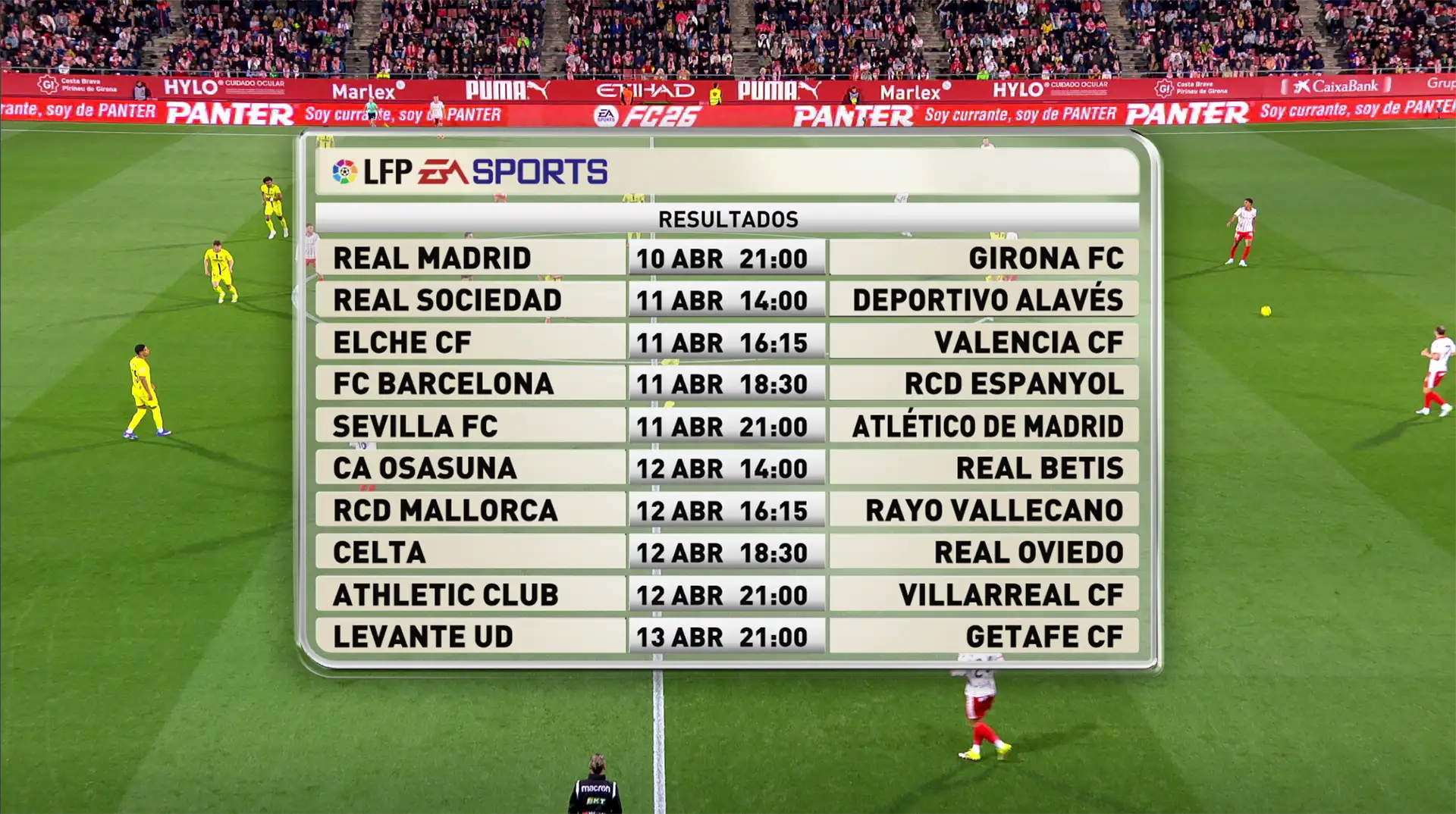
From April 10 to 13, LALIGA hosted its first-ever Retro Matchday, a pioneering initiative under the campaign “42 legacies, 42 ways to win” and the concept “A living legacy”. The goal was to turn an entire round of competition into a cross-cutting audiovisual experience where the history of Spanish football would take center stage, connecting the legacy of clubs with new audiences and taking football well beyond the 90 minutes. The entire broadcast identity of the competition weekend was transformed accordingly: scoreboards, transitions, lower-thirds, and graphic elements all reimagined in the visual language of past decades, designed to make viewers feel as if they were traveling through time.
Delivering that transformation on air was wTVision's responsibility, as part of the production setup overseen by Global Football Production, the HBS-NVP joint venture responsible for LALIGA's broadcast production. The team implemented a complete new graphics project in R³ Engine and FootballCG, adapting LALIGA's current graphics ecosystem into a coherent retro visual package without compromising the production quality the competition demands.
The foundation of the work was an earlier version of the competition's graphics line, which wTVision revived, recolored, and aligned with the current LALIGA visual style. Rather than rebuilding from scratch, the team preserved the original structure and visual language of those graphics while layering in the color palette and formatting conventions that define how LALIGA looks on air today. Sponsor logos were replaced with the retro versions provided by the client, completing the visual transformation across every on-screen placement.
On the 2D side, wTVision implemented the full overlay graphics package. The AR layer required a more considered approach: any AR graphic on air must carry a sponsored overlay on top of it, which the team adapted to fit the retro identity. AR usage was then selectively restricted to the elements that would sit coherently alongside the retro aesthetic, ensuring visual consistency across the full broadcast. A new wipe and copy were also created specifically for the occasion.
Beyond the broadcast itself, the footage produced by wTVision served as LALIGAS's official teaser for the initiative, published across the competition's social media channels in the days leading up to the matchday.
What this project illustrates is precisely where wTVision's value sits in live production: the ability to take a high-performing graphics infrastructure and transform it around a different creative brief, without losing the operational precision the competition demands. A broadcast that moves audiences requires more than a compelling visual concept. It requires the control to execute it — live, at scale, without compromise.